PTFE, PFA, FEP, PVDF Fluoroplastic products industry experts

What is the difference between FEP and PFA?
Classification:
Industry dynamics
Author:
Teflon tube little sister
Source:
Teflon tube little sister
Release time:
2004-01-09
Visits:
What is the difference between FEP full tube and PFA in 1.
First of all, we analyze the difference between FEP and PFA from the characteristics of FEP and PFA.
FEP tube product features:
① FEP tube basic retention PTFE tube a variety of characteristics, such as insulation, anti-corrosion, lubrication and wear resistance, resistance to atmospheric aging, high temperature 200 degrees.
The FEP tube has low melt viscosity and excellent thermal stability.
③ FEP pipe is extruded.
④ FEP tube is transparent color.
PFA tube product features:
① PFA has all the properties of PTFE, and the temperature resistance can also reach 260 ℃.
②The melt viscosity of PFA is lower than that of FEP, and has excellent thermal stability.
③ PFA tube, PTFE and FEP are also extruded.
④ PFA tube is transparent color.
To sum up, there are two differences between FEP and PFA
① Different high temperature resistance, FEP high temperature resistance 200 degrees, PFA high temperature resistance 260 degrees
②The melt viscosity of FEP is slightly higher than that of PFA
In addition to these differences, there is also a production of raw materials will be different, PFA flow performance than FEP flow.

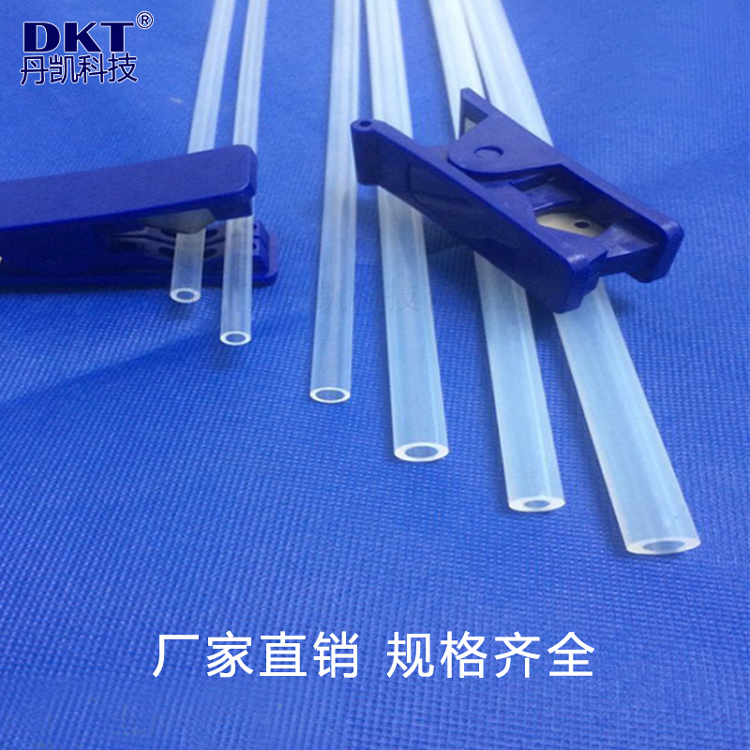
Figure 1:FEP Tube Source: Shenzhen Dankai
Use
① The non-parts of the machine joint for the transfer of drug-resistant and non-adhesive liquids shall be covered and protected.
② Protection of the sensor
③ Non-adhesive metal ball
④ Protective coating for drugs under high temperature
⑤ Outer cover of optical fiber sheath
The FEPG-D (electrical) is mainly used for optical fiber tubes and various frequencies of electrical components, wires, cables insulation sheath.
⑦ FEPG-T (general) is mainly used for explosion-proof, anti-corrosion and anti-sticking in places with harsh working conditions. Such as: corrosive liquid level meter and corrosive gas and liquid delivery pipe.
What industry is 2. FEP tube used
(F-46) polyethylene propylene (F-46) is a fluorine plastic developed to overcome the shortcomings of poor processing and molding performance of polytetrafluoroethylene. It is a copolymer of polytetrafluoroethylene and polyhexafluoropropylene (F-6). Polytetrafluoroethylene propylene is a synthetic polymer material that uses fluorine to replace all hydrogen atoms in polyethylene. The more famous application of PTFE is the exterior wall material of the Water Cube, which is the largest concentrated use in the world.
In addition to the use of temperature slightly lower than the PTFE, almost all of its excellent performance. Polyfluoroethylene propylene thermal fluidity, can be used in general thermoplastic.
Processing molding methods, molding, extrusion, injection molding, etc., can also be made into anti-corrosion coating. Therefore, it is widely used in petrochemical anti-corrosion engineering.
FEP tube color:
Commonly used color: transparent, black;
Not commonly used color: yellow, brown, green, blue

Figure 2: Other colors FEP tube Source: Shenzhen Dankai
Can 3. FEP tube run hydrogen peroxide?
The molecular structure of FEP is the same as that of polytetrafluoroethylene, which is also completely fluorinated, except that part of the fluorine atoms in the F46 main chain are replaced by trifluoromethyl (-CF3).
Chemically: almost all chemicals and solvents are stable
Thermanology: PTFE,PFA continuous use temperature is 260 degrees, FEP continuous use temperature is 200 degrees
Mechanical: minimum coefficient of friction and tightness
Electrically: in insulators, with smaller dielectric constants, dielectric loss factors.
Other: non-adhesive, weather resistance, flame retardant, low temperature resistance
Invention time course: PTFE -> FEP -> PFA
Hydrogen peroxide (hydrogen peroxide), chemical formula H2O2. Pure hydrogen peroxide is a light blue viscous liquid, can be mixed with water in any proportion, is a strong oxidant, aqueous solution commonly known as hydrogen peroxide, is a colorless transparent liquid. Its aqueous solution is suitable for medical wound disinfection and environmental disinfection and food disinfection. Under normal circumstances, it will slowly decompose into water and oxygen, but the decomposition rate is extremely slow. The way to speed up the reaction is to add a catalyst-manganese dioxide, etc. or to irradiate with short-wave rays.
Can FEP tubes run hydrogen peroxide? The answer is no problem at all. FEP is stable to almost all chemicals and solvents, corrosion resistance, acid and alkali resistance, friction resistance, oxidation and corrosion of hydrogen peroxide is very small compared to other chemicals and solvents. Therefore, friends in need can safely use FEP pipe to take hydrogen peroxide.
Shenzhen Dankai Technology Co., Ltd. (ShenZhen DanKai Technology Co., Ltd.), whose predecessor was the Fluoroplastic Material Factory of Dongguan Dandi Insulation Material Co., Ltd. established in 1998, specializes in the research and development, production and sales of FEP, PFA, PTFE and other fluoroplastic tube rod sheet membrane products and other insulation materials. The company has international standards of senior R & D team and the introduction of foreign fluorine plastic products production line. Some fluoroplastic products through ISO9001, SGS, FDA certification, Huawei, Foxconn, the United States, ZTE, Intel, AirTAC and other domestic and foreign cooperation customers fully affirmed. The company's main products are: ① pipes: Ptfe pipes, Fep pipes, Pfa pipes, Pvdf pipes; ② Heat shrinkable tubes: Ptfe heat shrinkable tubes, Fep heat shrinkable tubes, Pfa heat shrinkable tubes, Pvdf heat shrinkable tubes; ③ Plate rod film: Ptfe plate rod film, Feep plate rod film, Pfa plate rod film, Pvdf plate rod film, etc. PE: PE, special, spiral tube, spring tube, rotary cutting tube, welding rod, tee, straight, gasket, joint, cone rod, flared tube, sealing tube, braided tube, corrugated tube, etc. At the same time can be customized according to customer requirements processing production of various specifications of fluorine plastic products.
Key words:


Dankai Technology
Address: Area B, 4th Floor, Building 1, North Yongfa Science and Technology Park, Yanchuan North, Chaoyang Road, Songgang Town, Bao'an District, Shenzhen, China
Tel: +86-755-29979617 23127719 23127819
E-mail: dkt@szdankai.com

Focus on us
Copyright©2024 All rights reserved of Shenzhen Dankai Technology Co., Ltd.