PTFE, PFA, FEP, PVDF Fluoroplastic products industry experts

Analysis of PTFE Extrusion Tube Type and Application
Classification:
Industry dynamics
Author:
PFA tube little sister
Source:
Dankai
Release time:
2022-11-17
Visits:
Types and Application of 1. PTFE Extruded Tube
Most tubes manufactured by PTFE paste extrusion are thin-walled tubes (wall thickness less than 8mm) with diameters ranging from a few millimeters to a few centimeters.
Main applications: medical fluid delivery, jet engine fuel delivery and hydraulic transmission.
Below we are based on the size of the PTFE extrusion tube application areas, can be divided into 3 categories, as follows:
1. Capillary, diameter 0.2-8mm, wall thickness 0.1-0.5mm, used in medical and chemical fields, for electrical insulation, fluid transport.
2. Pressure hose, diameter 6-50mm, wall thickness 1-2mm, used in aircraft fuel delivery and hydraulic transmission, chemical chemicals and gas delivery.
3. Lining pipe, diameter 12-500mm, wall thickness 2-8mm, used in chemical industry metal pipe and pipe lining.
Among them, the pressure hose is a multi-layer composite structure with 1-2 layers of polytetrafluoroethylene lining covered with braided metal wire mesh, which can improve the use level of pressure. These kinds of pipe size difference
Larger, processing methods are also somewhat different.

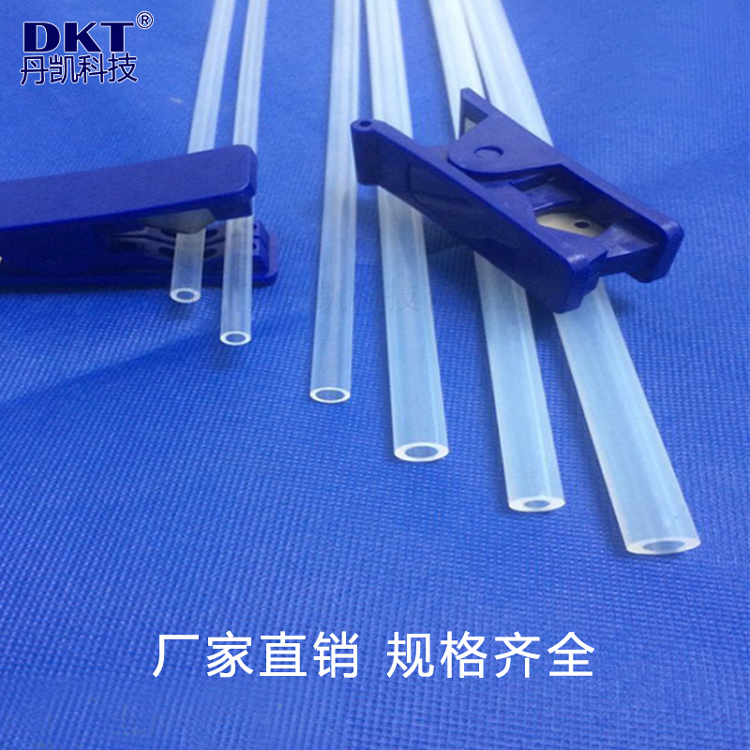
Figure 1: Teflon capillary Source: Dan Kai
Application of 2. PTFE in Electronic and Electrical Equipment
In terms of electronic appliances, PTFE is mainly used to manufacture various wires and cables, battery electrodes, battery separators, printed circuit boards, etc.
The inherent low loss and small dielectric constant of PTFE material make it can be used as enameled wire for micro-motors, thermocouples, control devices, etc;
PTFE film is an ideal insulating material for the manufacture of capacitors, radio insulation pads, insulated cables, motors and transformers, and is also one of the indispensable materials for industrial electronic components such as aerospace;
The oxygen sensor can be manufactured by using the selective permeability of the fluorine plastic film with high permeability to oxygen and low permeability to water vapor;
The use of fluoroplastics in high temperature, high pressure polar charge deviation phenomenon characteristics, can be manufactured microphones, speakers, robot parts, etc.; the use of its low refractive index characteristics, can be manufactured light guide fiber
Ve.

Figure 2: PTFE Film Source: Dankai
Forming Process of 3. PTFE
The molding process of PTFE mainly includes molding, equal pressure molding, extrusion molding, push molding, calendering molding, dipping molding, etc., as well as secondary processing molding.
1. Compression molding: suspension PTFE resin is added to the mold for compression molding, and then sintered at high temperature and cooled to obtain molded products. The main products include PTFE plates, rods, tubes, films, blank gaskets, filled poly
Tetrafluoroethylene plate, rod, tube parts, porous PTFE plate, sheet, blank, etc.
2. Equal pressure forming: the main products include large turning long blank, large pipe, large thick plate, etc.
3, extrusion molding: suspended PTFE powder into the extruder, after compression, sintering for continuous production. The main products include bars, pipes (thick wall) and so on.
4. Push molding: Dispersed PTFE resin is mixed with extrusion aid, and after push molding, the extrusion aid is removed and sintered into products. The main products include small diameter rod, tube (thin wall), raw material belt, raw material
Rods also have PTFE expanded products, etc.
5. Calendering: PTFE semi-finished film is calendered into products by calender and rewinder. The main products include oriented film, semi-oriented film, raw material tape, film and so on.
Welding of 4. PTFE products
The technique of bonding different parts of PTFE by adhesives is only applicable when fluoropolymers do not need to bear large loads. Instead, other joining methods such as welding must be used. Common welding methods are as follows:
1. Hot pressing welding
Hot-press welding is a common method for the connection between PTFE plates and plates. The welding method of plate and plate is divided into lap welding and butt welding, and the welding method of plate and tube is lap welding.
2. Hot air welding
The use of PFA hot melt, PTFE can be used for hot air welding. The advantage of hot air welding is strong adaptability, but the disadvantage is that the weld strength is not as good as hot pressure welding.
This article is originally created by Teflon's little sister. Welcome to pay attention and take you to grow knowledge together!
Key words:
PTFE, molding, products, main, manufacturing, wire and cable, battery electrode, printed circuit board


Dankai Technology
Address: Area B, 4th Floor, Building 1, North Yongfa Science and Technology Park, Yanchuan North, Chaoyang Road, Songgang Town, Bao'an District, Shenzhen, China
Tel: +86-755-29979617 23127719 23127819
E-mail: dkt@szdankai.com

Focus on us
Copyright©2024 All rights reserved of Shenzhen Dankai Technology Co., Ltd.