PTFE, PFA, FEP, PVDF Fluoroplastic products industry experts

Is Teflon Poisonous?
Classification:
Industry dynamics
Author:
PFA tube little sister
Source:
PFA tube little sister
Release time:
2006-10-21
Visits:
Is 1. Teflon Poisonous?
Compared with other plastics, fluorine-containing plastics have more excellent high and low temperature resistance, corrosion resistance, weather resistance, electrical insulation, non-absorption of water and low coefficient of friction. Polyfluoroethylene propylene has become one of the new plastics that can not be lacked in modern cutting-edge science and technology, military production and various industrial fields.
So, is polytetrafluoroethylene toxic?
All plastics are non-toxic, because plastics are polymer materials and will not be absorbed by the human body. Sometimes, due to the toxic additives that need to be added during processing, or the insufficient reaction during synthesis, the use of small molecule monomers is released, and the plastics are toxic. Polyfluoroethylene propylene is transparent color, the production process does not add any additives, there is no toxicity.
The general characteristics of toxic plastics are:
The color is rich and dense, because a large amount of pigment (organic or inorganic) is added. Cheap pigments without national environmental certification, some will be toxic.
As long as you pay attention to the conditions of use, the plastic does not contact food for a long time, and does not contact food at high temperature. No long-term contact with a single plastic products, aging plastic products in a timely manner to replace, so that it is safe.

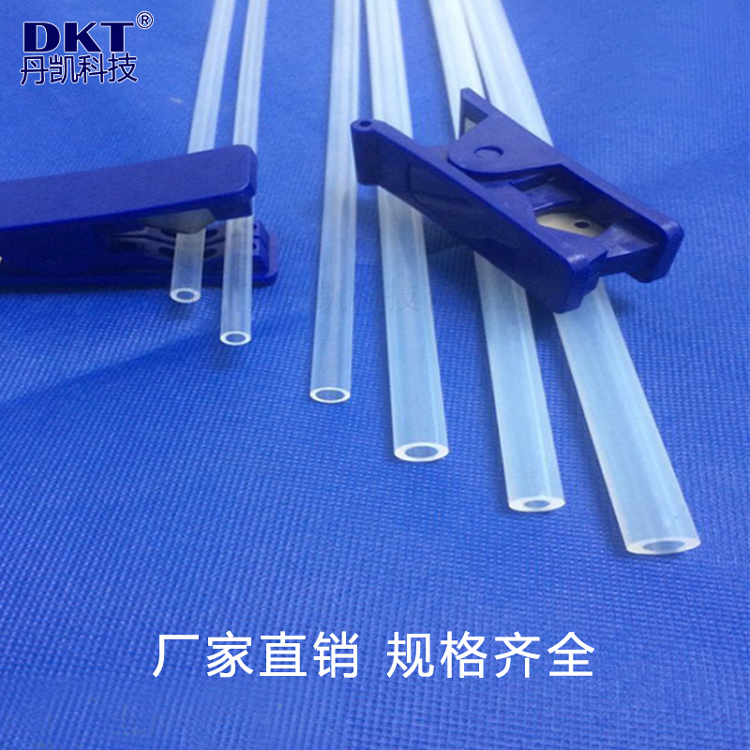
Figure 1: Poly (ethylene fluoride propylene) pipe Source: Shenzhen Dankai
According to the processing needs, polyfluoroethylene propylene can be divided into three kinds of pellets, dispersion and paint. Among them, according to the different melt index, the pellets can be used for molding, extrusion and injection molding; the dispersion liquid is used for impregnation and sintering; the paint is used for spraying, etc.
The crystalline melting point of PEF is 580F and the density is 2.15g/CC (g/cm3). It is a soft plastic with lower tensile strength, wear resistance and creep resistance than many engineering plastics.
Polyperfluoroethylene is chemically inert and has a low dielectric constant over a wide range of temperatures and frequencies. The material does not ignite and can prevent the spread of flame. It has excellent weather resistance and low friction coefficient, which can be used from low temperature to 392F.
The material semi-finished products have film, plate. Rods and single fibers. Its main use is for the production of tubes and chemical equipment in the village, drum surface and a variety of wires and cables, such as aircraft hook lines, pressurized cables, alarm cables, flat cables and oil well logging cables. FEP films have been used as thin coatings for solar collectors.
Production Process of 2. FEP Pipe Hose
Most FEP hoses are processed by extrusion process, so the mold plays an important role in this process. The specific material and size of the extrusion die depends on the type of conductor, the type of insulation, the thickness of the insulation layer, the insulation material and the degree of foaming.
From the past years of experience, FEP hose extrusion die material must be high temperature resistant, corrosion resistant Hastelloy) or other similar materials, such as nickel-based alloys, so as to meet the requirements of pipe extrusion processing.
Due to the FEP hose extrusion process and physical foam PE pipe extrusion process is different, one is the use of pressure extrusion, while the other is based on extrusion tube extrusion, so the configuration of the die size is also very different.
From the mold stretch ratio, physical foam PE pipe mold stretch ratio of 1.05-1.10; and FEP hose mold stretch ratio of 5-8, the gap between the two is still very large. Therefore, the majority of users are repeatedly reminded that the design of the mold must be adjusted according to the effect of extrusion. If the outer diameter of the insulation is too large, the size of the mold can be reduced; if the outer diameter of the insulation is too small, the size of the mold can be increased.

Figure 2:FEP Pipe Hose Source: Shenzhen Dankai
In addition to the mold, FEP hose extrusion molding quality and extrusion temperature also have a great relationship, considering the FEP hose in the extrusion process under the action of shear force prone to melt fracture, but with the increase in temperature can be reduced, so it is required to maximize the temperature setting of the extruder.
However, it should be noted that the extrusion temperature should not be set too high, otherwise it will also lead to a decrease in the melt strength of FEP hose, or even partial decomposition, resulting in insulation deformation, rounding and even wire breakage of FEP hose. During the extrusion process of FEP hose, the temperature setting should be adjusted according to the comprehensive factors such as mold, material and screw speed, and should not be set at will.
Shenzhen Dankai Technology Co., Ltd. (ShenZhen DanKai Technology Co., Ltd.), whose predecessor was the Fluoroplastic Material Factory of Dongguan Dandi Insulation Material Co., Ltd. established in 1998, specializes in the research and development, production and sales of FEP, PFA, PTFE and other fluoroplastic tube rod sheet membrane products and other insulation materials. The company has international standards of senior R & D team and the introduction of foreign fluorine plastic products production line. Some fluoroplastic products through ISO9001, SGS, FDA certification, Huawei, Foxconn, the United States, ZTE, Intel, AirTAC and other domestic and foreign cooperation customers fully affirmed. The company's main products are: ① pipes: Ptfe pipes, Fep pipes, Pfa pipes, Pvdf pipes; ② Heat shrinkable tubes: Ptfe heat shrinkable tubes, Fep heat shrinkable tubes, Pfa heat shrinkable tubes, Pvdf heat shrinkable tubes; ③ Plate rod film: Ptfe plate rod film, Feep plate rod film, Pfa plate rod film, Pvdf plate rod film, etc. PE: PE, special, spiral tube, spring tube, rotary cutting tube, welding rod, tee, straight, gasket, joint, cone rod, flared tube, sealing tube, braided tube, corrugated tube, etc. At the same time can be customized according to customer requirements processing production of various specifications of fluorine plastic products.
Key words:


Dankai Technology
Address: Area B, 4th Floor, Building 1, North Yongfa Science and Technology Park, Yanchuan North, Chaoyang Road, Songgang Town, Bao'an District, Shenzhen, China
Tel: +86-755-29979617 23127719 23127819
E-mail: dkt@szdankai.com

Focus on us
Copyright©2024 All rights reserved of Shenzhen Dankai Technology Co., Ltd.