PTFE, PFA, FEP, PVDF Fluoroplastic products industry experts

Application of Fluoroplastic Products in Hazardous Waste Treatment Process
Classification:
Industry dynamics
Author:
PFA tube little sister
Source:
Dankai
Release time:
2022-12-16
Visits:
1. Foreword
Hazardous waste is also called "hazardous waste", "toxic waste residue", and its English name is "hazardous waste". Hazardous characteristics of hazardous wastes, including corrosivity, acute toxicity
toxicity, reactivity, pollution, radioactivity, etc.
The Resource Conservation and Recovery Act (RCRA) regulations in the United States define corrosive waste:
① Water-bearing waste, pH <2 or pH> 12.5 measured according to standard methods.
② Liquid waste, according to the standardized test method, measured at a test temperature of 55°C, has a corrosion rate of (SAE1020)> 6.35ram (0.250 inches)/year.
Hazardous waste treatment and disposal and pollution prevention systems include the generation, collection, transportation, classification, testing, packaging, comprehensive utilization, storage, treatment and disposal of hazardous wastes.
Cheng.
In the production process of petroleum, chemical industry, chemical fertilizer, metallurgy, electric power, pharmaceutical, pesticide, food, chlor alkali, environmental protection and other industries, various chemical media have a great impact on equipment, pipelines and accessories
The economic loss caused by corrosion is very huge. According to relevant information, the annual loss caused by corrosion accounts for about 3% to 4% of the total output value of the national economy, far more than
The loss caused by natural disasters; the waste generated by corrosion, the leakage of chemical substances and the accidents caused by corrosion every year not only affect the health of the staff
more serious threat to the life safety of the staff. Moreover, the damage to the natural environment and ecological balance is even more shocking. Selection and application of good anti-corrosion materials
In order to extend the service life of process pipelines and equipment, it is particularly important in the hazardous waste treatment process.

Figure 1: PFA fluoroplastic color tube Source: Dan Kai
2. Hazardous Waste Treatment Process and Equipment
The treatment and disposal process of hazardous waste generally includes the collection and transportation of hazardous waste, classified temporary storage and exchange, comprehensive utilization, physical and chemical treatment, stabilization and solidification, incineration and safety.
Full landfill and other processes.
1. Comprehensive utilization of hazardous waste
According to the statistical results of the declaration and registration data, the comprehensive utilization rate of hazardous waste in China has reached 45.4 per cent.
breakthrough progress has been made in the practice. Through chemical reaction, sedimentation separation, filtration, electrolysis, evaporation and other processes, a small amount of gold, silver, copper,
Precious metals such as nickel and lead are refined or made into corresponding salt products.
Such as the use of hazardous waste in the copper-containing waste (HW22), lead-containing waste (HW31), waste acid (HW34) and nickel-containing waste (HW46) through various processes can be recycled into the sea.
Cotton copper, copper sulfate, multiple aluminum chloride, ammonium chloride, lead sulfate and acid and alkaline etching waste liquid, re-use as industrial raw materials.
2, Physical and Chemical Treatment of Hazardous Wastes
The purpose of physical and chemical treatment is to separate the precipitation of heavy metal ions in liquid or solid hazardous wastes and stabilize/solidify them;
The toxic and organic waste is broken down so that it can be safely carried into the next process. Physical and chemical treatment is currently mostly using neutralization treatment technology, redox technology.
oil-water separation technology and stabilization/solidification technology.
The comprehensive utilization and physical and chemical treatment equipment of waste includes: waste transport tank, waste storage tank, waste transfer pump, reaction tank, electrolyzer, demulsification and air flotation device, solid-liquid
Separators (settling tanks, filter presses, etc.), evaporative concentration equipment, etc.
The corrosion characteristics of hazardous waste determine that the treatment of hazardous waste can not use a single steel equipment and steel pipes, it is necessary to use non-steel structure materials or the use of steel structure.
The combination of lining materials with corrosion resistance of non-metallic structure can overcome the corresponding process requirements of temperature resistance, pressure resistance and corrosion resistance in the process.
In order to solve the corrosion problem of steel equipment, pipes, pipe fittings, etc., the equipment, pipes, etc. in the processing device are used in different processes with epoxy glass fiber reinforced plastic (FRP), polyethylene (PE),
High density polyethylene (HDPE), ABS, polypropylene (PP), reinforced polypropylene (RPP), polybutylene (PB), unplasticized polyvinyl chloride (PVC-U), perchlorinated polyvinyl chloride (PVC-
C), graphite equipment and pipelines, titanium equipment and pipelines and other anti-corrosion materials to protect, but due to the production process of epoxy glass fiber reinforced plastic and can only be used below 80 ℃ and other deficiencies, in
Small flow process pipes, pipe fittings and pumps are not suitable for use, and process pipes of other materials are limited by the use temperature (generally only used below 60 ℃), which is not very good.
The problem of corrosion protection in equipment and piping systems with operating temperatures higher than 60°C is solved.
Since the successful development of fluoroplastic lined pipelines, equipment, valves, centrifugal pumps and other products in series production, after many anti-corrosion industry in China, more than ten years of continuous improvement,
Innovation and development have made great contributions to China's anti-corrosion industry. Now in China, Southeast Asia and Europe and the United States and other countries of the petrochemical, refining, oilfield, dyeing, smelting, production.
Pharmaceutical, military, environmental protection and other industries are widely used. The use effect has been widely recognized.
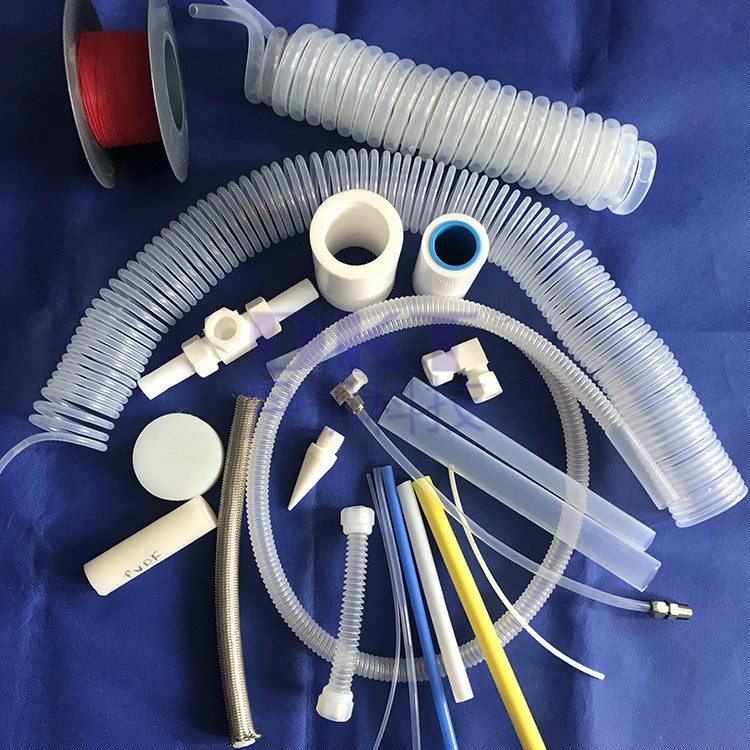
Figure 2: Fluoroplastic pipe Source: Dankai
Application of 3. fluoroplastics in hazardous waste treatment industry
The main varieties of commonly used fluorine plastics are:
1. Non-plastic processing: polytetrafluoroethylene (PTFE)
2. Thermoplastic processing
Perfluoroethylene propylene (FEP)
Tetrafluoroethylene-perfluoroalkyl vinyl ether copolymer (PFA)
Polyvinylidene fluoride (PVDF)
Polyvinyl fluoride (PVF)
Tetrafluoroethylene-ethylene copolymer (ETFE)
Ethylene-chlorotrifluoroethylene copolymer (ECTFE)
Polychlorotrifluoroethylene (PCTFE)
Fluoroplastics introduce electronegative fluorine atoms into the molecular structure. Therefore, it has a high degree of chemical stability and high and low temperature resistance, except for molten alkali metal (or its ammonia solution),
Chlorine trifluoride and elemental fluorine, it can resist any kind, any concentration of acid, alkali, salt, oxidant, organic solvent and all other strong corrosive medium corrosion. Temperature resistance
The range is one 195-250 ℃. And it also has good lubricity, excellent electrical insulation, outstanding non-stick, unique resistance to atmospheric aging, excellent non-combustibility
And very small water absorption and other properties. Therefore, it has a wide range of application value.
Fluoroplastics due to the limitation of its physical and mechanical properties, it is not suitable for structural materials, but only as an isolation layer for protection, so the general use of carbon steel and other metal materials for the structure
Substrate, the use of fluoroplastic isolation medium to play a role in corrosion protection. Fluoroplastics in the family of polytetrafluoroethylene (referred to), polyethylene propylene (FEP) is the most common application. FEP
Mainly used in the manufacture of lined pipes, large equipment, centrifugal pumps and stirring paddles, etc., FEP is mainly used in the manufacture of lined valves and centrifugal pumps and other products.
Fluoroplastics are mainly used in the following aspects in hazardous waste treatment process:
1, as a liquid delivery pump and valve sealing material. This part of the application is mainly PTFE, because of its good heat resistance, chemical resistance and self-lubricating properties.
2. Equipment and equipment lining. Mainly PTFE,FEP,PVDF heat exchanger and PTFE dispersion impregnated graphite heat exchanger. Such as for organic waste liquid treatment
Graphite evaporator equipment, lined PTFE reactor and stirred slurry.
3. Pipes and fittings for conveying corrosive gases and liquids. In the evaporation process of ammonia nitrogen wastewater treatment and organic waste liquid treatment, the metal tube is lined with PTFE, FEP,
PVDF and other pipes and fittings and PTFE bellows.
4, fluorine plastic pump, valve. The delivery pumps in each waste liquid treatment process adopt steel-lined fluoroplastic pump shells and all-plastic impellers. The use effect of fluoroplastic-lined pistons and piston cylinders in metering pumps with relatively high pressure (the operating pressure in the process is 0.6-1.0MPa) is also very good. The applications of valves mainly include all-plastic ball valves, diaphragm valves, plug valves, steel-lined F46 ball valves, regulating valves, etc.
4. application effect
After five years of application results have proved that, in addition to improper operation or because of the waste liquid contains large particles of impurities and individual lining PTFE pump wear and failure, fluoroplastic products in the use
With temperature, wear resistance, corrosion resistance and other aspects than FRP, ABS, RPP, PE and other commonly used anti-corrosion materials more widely used range and application effect, in
Pipes, valves, transfer pumps and heat exchange evaporation equipment in the treatment process of hazardous waste can be selected, especially in the treatment of waste water containing CL evaporation and concentration process.
Can replace the titanium material equipment, pipeline, valve use.
Disadvantages of 5. fluoroplastics in process applications
1, in the process with the increase of temperature, can not change from "high elastic state" to "viscous flow state", so its forming processing, welding are more difficult, and due to the low surface energy, surface
The tension is large and difficult to bond, which limits the wide application of PTFE in the field of corrosion protection.
2. Fluoroplastic products have low rigidity, so they cannot directly make the whole equipment, but can only be used as an isolation layer for protection. As for the strength and rigidity of the equipment, metal materials are required.
material to guarantee.
3. Process forming generally requires high temperature curing, long curing time, inconvenient large-area construction, poor adhesion to the substrate, poor wettability to pigments and fillers, and in organic solvents.
The solubility is not good, the price is more expensive and so on.
4. The application effect of steel lined pipeline in vacuum is not ideal.
5. Due to the inability to process at the project site, the pipeline needs to be made in the manufacturer, and the on-site installation has problems such as inaccuracy, which limits the pipeline of the process to be widely used.
Use.
This article is originally created by Teflon's little sister. Welcome to pay attention and take you to grow knowledge together!
Key words:
Hazardous waste, pipeline, fluoroplastics, use, pollution prevention system, anti-corrosion material, high temperature resistance, pressure resistance
Next Page


Dankai Technology
Address: Area B, 4th Floor, Building 1, North Yongfa Science and Technology Park, Yanchuan North, Chaoyang Road, Songgang Town, Bao'an District, Shenzhen, China
Tel: +86-755-29979617 23127719 23127819
E-mail: dkt@szdankai.com

Focus on us
Copyright©2024 All rights reserved of Shenzhen Dankai Technology Co., Ltd.