PTFE, PFA, FEP, PVDF Fluoroplastic products industry experts

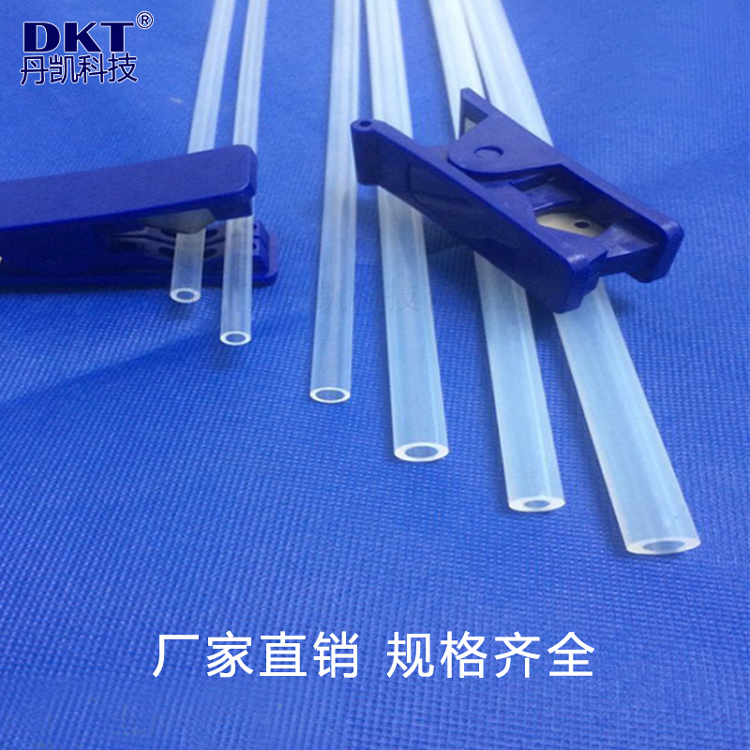
Transparent teflon tube
Classification:
Industry dynamics
Author:
Teflon tube little sister
Source:
Teflon tube little sister
Release time:
2019-06-03
Visits:
There are two types of transparent Teflon tubes. FEP (polyethylene propylene fluoride), PFA (soluble polyethylene propylene fluoride). Attention, there are several kinds of materials for these two kinds of pipes. New materials, imported materials and sub-brand materials are different. The prices of transparent Teflon pipes are also different. You get what you pay for. If the price difference between the three is too large, you should remember to know what raw materials it is.
First of all, I 'd like to introduce FEP (polyethylene glycol propylene) transparent Teflon tube.
Perfluoroethylene propylene tube, also known as FEP
Introduction to common features:
Use temperature:-200 degrees to 200 degrees
Easy processing: can flanging, soluble, can be sealed, can be welded
Aging resistance: can be exposed to ozone and sunlight for a long time without aging
High transparency: low refractive index in all plastics, can be very intuitive to see the flow of the medium in the tube
Corrosion resistance: Can withstand all strong acids, strong oxidants, strong reducing agents and various organic solvents except molten alkali metals, fluorinated media and those above 300 °.
As we all know, the two most popular fluoroplastic tubes on the market are PTFE and polytetrafluoroethylene.
Polytetrafluoroethylene ethylene propylene has excellent electrical insulation and chemical stability similar to PTFE, hardness and tensile strength than PTFE slightly improved, and the public welfare greatly improved. The crystalline phase melting temperature (280 ℃) is about 50 ℃ lower than that of PTFE, but it can still be used for a long time in the temperature range of -85 ℃ ~ 204 ℃, and it has better cold flow resistance than PTFE at room temperature, but the friction coefficient is slightly lower.
Poly (fluorine ethylene propylene) that is similar to the valuable characteristics of PTFE, but also has excellent processing properties of thermoplastics, so that it can replace F-4 materials in some ways, widely used.
Key words:
Previous Page
Next Page
Previous Page
Next Page


Dankai Technology
Address: Area B, 4th Floor, Building 1, North Yongfa Science and Technology Park, Yanchuan North, Chaoyang Road, Songgang Town, Bao'an District, Shenzhen, China
Tel: +86-755-29979617 23127719 23127819
E-mail: dkt@szdankai.com

Focus on us
Copyright©2024 All rights reserved of Shenzhen Dankai Technology Co., Ltd.